The NHS has launched a new pilot using artificial intelligence and robotic technology to help doctors reach hard-to-detect cancers earlier, with fewer invasive tests.
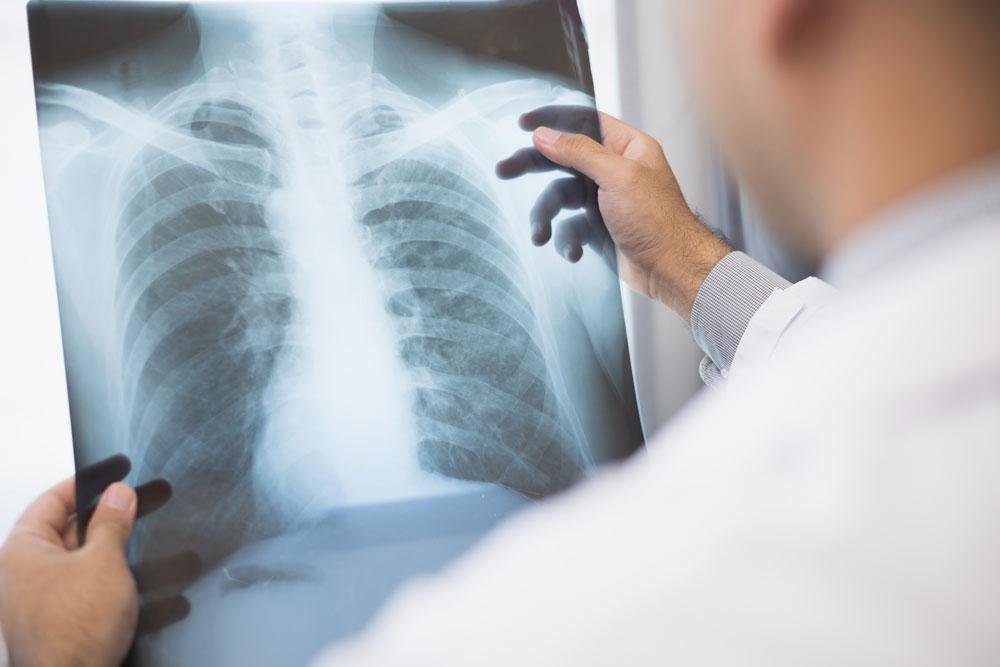
The pilot will use AI software to rapidly analyse lung scans and flag small lumps that are most likely to be cancerous. Then a robotic camera is used to guide biopsy tools through the airways with more precision than standard techniques.
The announcement comes alongside plans or the NHS to expand lung cancer screening, ensuring every eligible person is invited for checks in less than five years, no matter where they live.
Professor Peter Johnson, NHS England’s National Clinical Director for Cancer, said: “Waiting to find out if you might have cancer is incredibly stressful for patients and their families.
“Our lung cancer screening programme means that we are picking up more cancers at an early stage than ever, and by bringing AI and robotics together in this trailblazing NHS pilot, we’re bringing in the very latest technology to give clinicians a clearer look inside the lungs and support faster, more accurate biopsies.
“This is a glimpse of the future of cancer detection. Innovation like this is exactly how we can help diagnose more cancers faster, so treatment can be most effective, and why the NHS continues to lead the way in bringing new technology safely into frontline care.”
Wes Streeting, Health and Social Care Secretary, said: “When I was diagnosed with kidney cancer, the NHS saved my life using robotic technology. That experience showed me what’s possible when brilliant clinicians have access to cutting-edge innovation – it saves lives.
“Lung cancer is one of the biggest killers in the UK, taking an extra year of people’s lives in the poorest parts of the country. This pilot will help to catch it earlier, replacing weeks of invasive testing with a single targeted procedure. For patients waiting anxiously for answers, this speed and precision can be life-changing.
“This is our National Cancer Plan in action – shifting from late diagnosis to early intervention and from analogue to digital, ensuring every patient can benefit from the blend of human care alongside game changing technology, no matter where they live.”