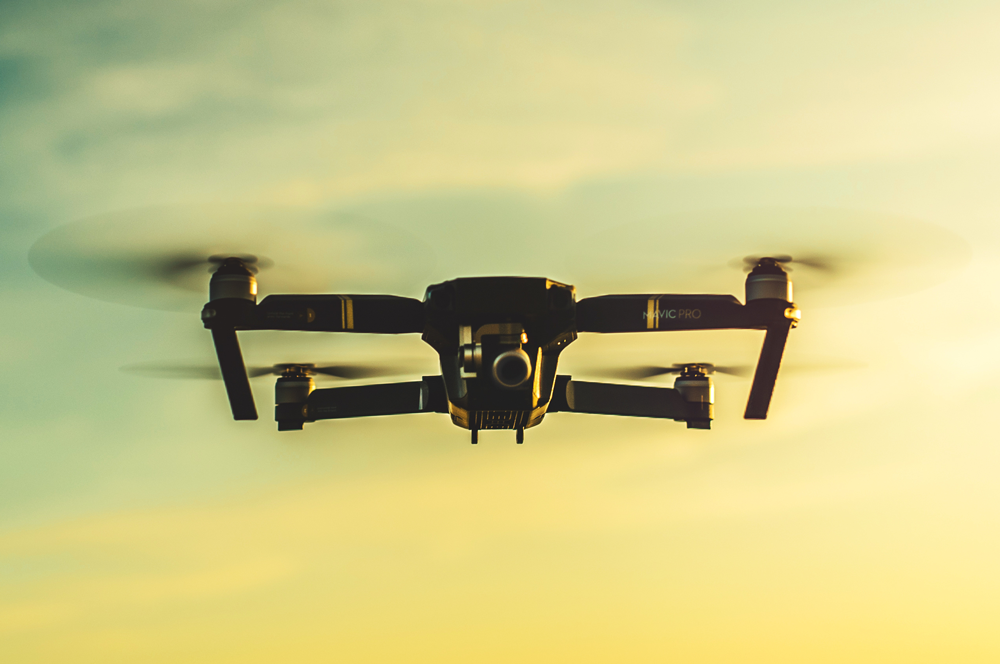
The Defence Science and Technology Laboratory (Dstl) has led a major trial on behalf of the British Army, which used AI-powered drone technology to identify landmines and explosive ordnance.
The trial demonstrated that AI models can be rapidly retrained to recognise new threat types and adapt to different environments.
Conducted with 33 Engineer Regiment (Explosive Ordnance Disposal and Search) at their Essex base, the trial took place over several weeks and saw dozens of replica mines and ordnance placed across varied terrain and land environments.
Data captured by sensors onboard small uncrewed aerial systems was relayed to Army operators, who used AI tools to locate and identify the munitions.
The trial also successfully demonstrated the ability to rapidly retrain AI models to recognise emerging threat types and adapt to different environments - a capability that is critical in fast-evolving modern warfare. This has also been seen in Ukraine, where drones and explosive devices are reshaping the battlefield at pace.
Major Mark Fetters, British Army Future Counter-Explosive Ordnance Capability lead, said: "The modern battlefield is littered with explosive ordnance. The equipment being developed by Dstl will allow EOD operators to conduct their mission faster and will remove people from the explosive hazard.
"We are also looking to understand how the capability will grow as other technologies mature. As different types of sensors become lighter, more power-efficient, and smaller, they will be able to fit on to smaller uncrewed aerial systems - constantly improving the capability available to our EOD and Search personnel."